What Is B2B Sales? Process, Strategies & Practical Examples
Companies buy products and services to solve business problems or support daily work. A company may need software to manage customer information. Another business may need equipment for its production process.
These purchases can require more discussion than a regular consumer sale because they may affect company budgets or internal operations. Buyers may also need approval from other people before making a decision.
B2B sales helps guide the buyer through this process. It begins with finding suitable companies and continues until the purchase is approved.
What Is B2B Sales?
B2B sales, or business-to-business sales, means one company selling a product or service to another company. The buyer uses the purchase for business purposes rather than personal use.
For example, a software provider may sell a CRM platform to a marketing agency. A packaging manufacturer may supply boxes to an e-commerce company.
In both examples, the product supports the buyer’s business activities. It may solve an existing problem or make an important process easier to manage.
A B2B purchase can involve more than one person. An employee may research available options, while a manager decides whether the offer fits the company’s needs. Someone from finance may then review the cost.
Because different people can influence the purchase, sales often needs to answer several types of questions before the deal moves forward. This makes B2B sales more detailed than many consumer sales.
B2B Sales vs B2C Sales
B2B and B2C sales both involve helping a buyer choose a suitable offer. The main difference is who is buying and how the decision is made.
| Factor | B2B Sales | B2C Sales |
|---|---|---|
| Buyer | A company or organisation | An individual consumer |
| Decision-makers | One person or a wider buying group | Often the individual buyer |
| Sales cycle | Can take longer for complex purchases | Often shorter for everyday purchases |
| Deal value | Can be larger or recurring | Often smaller or transactional |
| Buying reason | Business need and expected value | Personal need or convenience |
| Relationship | May continue after the first sale | Can be occasional or ongoing |
A consumer can often decide without asking anyone else. A business purchase may require input from people in different roles.
An operations manager may check whether the product will work in practice. Finance may review the cost before the purchase receives final approval.
Not every B2B deal takes several months. A small service contract can close quickly, while complex software may require more discussion.
What Business Buyers Consider
Business buyers usually need more than a list of product features. They want to know whether the offer fits their current situation and whether it is worth the cost.
They may consider:
- Whether the offer addresses a current business problem
- How it fits the company’s existing process
- What will be required during implementation
- Whether the expected value supports the cost
- Who needs to approve the purchase
- What support is available after the sale
The importance of each point depends on the buyer. A smaller company may focus more on affordability. A larger company may spend more time reviewing implementation.
Sales should understand these priorities before presenting the offer in detail. This keeps the discussion focused on what the buyer needs to know.
The B2B Sales Process
B2B sales normally moves through several connected stages:
Prospecting → Qualification → Needs Assessment → Proposal or Demo → Negotiation → Onboarding
The exact process depends on the offer. A straightforward service may need only a few discussions, while a complex system can take longer to evaluate.
Prospecting
Prospecting involves finding companies that match the target market. Sales then identifies people whose roles connect with the product or service.
Research may include the company’s industry or size. The contact’s role also matters because it can show how that person may influence the purchase.
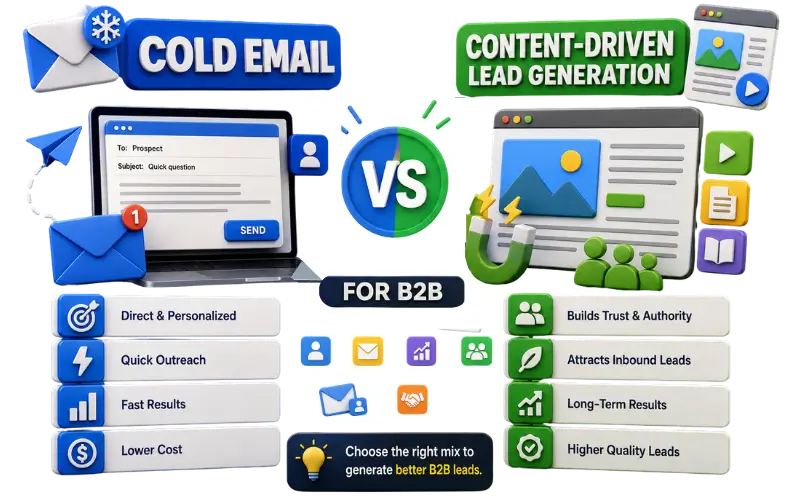
Prospects can come through direct outreach or referrals. Marketing campaigns can also bring suitable contacts into the sales process.
A focused prospect list makes the first message more relevant. The salesperson can explain why the company was selected instead of sending the same message to everyone.
Qualification
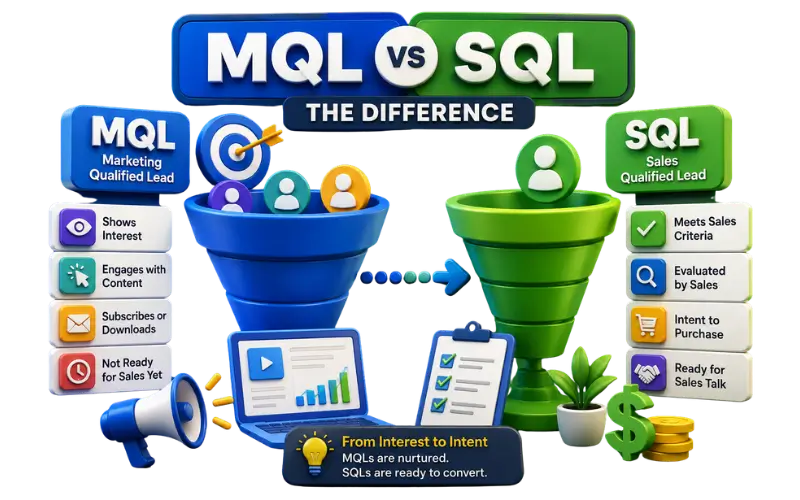
Qualification begins when a prospect responds or shows interest. Sales checks whether the company fits the offer and whether there is a relevant need worth discussing.
Some teams use BANT during this stage. It stands for budget, authority, need and timing.
BANT can guide the conversation, but it should not become a strict checklist. A buyer may speak with vendors before receiving budget approval.
The first contact may not have the authority to sign the agreement. However, that person may still influence the purchase or introduce sales to the final decision-maker.
Qualification helps the team focus on suitable opportunities. It also prevents general interest from being treated as a confirmed deal.
Needs Assessment
The next stage is understanding the problem behind the enquiry. The buyer may begin by asking about a specific feature, but further discussion can reveal a wider business issue.
For example, a logistics company may ask about CRM reporting. Additional questions may show that managers cannot see which sales opportunities need attention.
Sales can then focus on reporting and account visibility instead of presenting every available feature. This makes the later proposal more relevant to the buyer’s situation.
Proposal or Demo
The proposal or demo should reflect what sales learned during the earlier discussion. A demonstration should focus on the parts of the product that matter to the buyer.
The proposal should explain the scope and expected cost clearly. Implementation details can also help the buyer understand what will happen after the agreement is signed.
For example, a software proposal may explain how existing data will be moved into the new system. It may also clarify what support is included during setup.
Expected results should be presented carefully. A relevant case study can support the discussion when the example is close to the buyer’s situation.
Negotiation and Closing
Negotiation begins when the buyer is seriously considering the offer. Both sides may discuss the price or contract terms.
Larger agreements can also require legal review before approval. Additional people may join the discussion at this stage.
Finance may focus on cost, while the operational team may ask about implementation. Sales should keep the original business problem clear so the discussion does not become focused only on price.
The deal closes after the required approvals are complete and the agreement is signed.
Onboarding and Account Support
The customer relationship continues after the agreement is signed. Onboarding helps the customer begin using the product or service.
The delivery team should understand what was agreed during the sales process. A clear handover reduces confusion and prevents the customer from explaining the same situation again.
For recurring services, account support continues after onboarding. Future renewals depend on whether the solution remains useful to the customer.
B2B Sales Strategies
The sales process explains how a deal moves forward. A sales strategy shapes how the company finds suitable buyers and presents its offer.
Account-Based Selling
Account-based selling focuses on a selected group of companies that closely match the ideal customer profile.
Sales first chooses suitable accounts and then finds relevant contacts inside each business. This allows the team to research each company before beginning outreach.
The approach is useful when the possible contract value supports the additional work. Marketing can also create relevant content for the selected accounts.
Social Selling
Social selling uses professional platforms to build familiarity with potential buyers.
A salesperson may share useful information related to the buyer’s industry. They can also take part in discussions connected with the problems their product addresses.
LinkedIn is commonly used for this approach in B2B markets. Social selling can support the first conversation, but it does not replace direct outreach.
Value-Based Selling
Value-based selling focuses on how the offer connects with the buyer’s business situation.
Instead of presenting every feature, the salesperson explains why selected capabilities matter. The value should relate to a problem the buyer has already discussed.
For example, CRM reporting is not useful only because it creates dashboards. Its value may come from helping managers identify sales opportunities that need attention.
Consultative Selling
Consultative selling begins with understanding the buyer before recommending a solution.
The salesperson asks relevant questions and listens to how the buyer explains the problem. The recommendation is then shaped around that information.
This approach is useful when the product is complex. It can also help when the buyer needs support while comparing different options.
Content-Assisted Selling
Content can support the buyer before a direct sales conversation begins. It can also help during follow-up.
A guide may answer an early question, while a case study can provide practical context. The material should match the current discussion.
A buyer asking about implementation will gain more from an onboarding guide than from a general company brochure. Content should support the salesperson’s answer rather than replace it.
Common B2B Sales Roles
Different roles may manage different parts of the sales process.
| Role | Main Responsibility |
|---|---|
| Sales Development Representative | Finds suitable prospects and qualifies early interest |
| Account Executive | Manages sales discussions and works toward closing |
| Account Manager | Supports existing customers and manages renewals |
| Sales Manager | Guides the team and reviews sales performance |
The structure depends on the size of the company. In a smaller business, one person may handle prospecting and closing.
Larger organisations may divide the work between specialist teams. An SDR may begin the conversation, while an account executive manages the later stages.
Skills Needed in B2B Sales
B2B salespeople need to understand the buyer before presenting a solution. Product knowledge matters, but it must connect with a real business need.
Important skills include:
- Account research: Research helps the salesperson understand the company and begin with a relevant reason for contact.
- Discovery questioning: Useful questions reveal what the buyer wants to solve and how the issue affects the business.
- Careful listening: Listening helps sales understand the buyer’s situation without depending on early assumptions.
- Clear communication: The salesperson should explain the offer in a way that is easy for the buyer to understand and share internally.
- Business-value understanding: Sales needs to connect relevant product capabilities with the buyer’s current problem.
- CRM management: Accurate records make it easier to track earlier discussions and manage the agreed next step.
- Consistent follow-up: Relevant follow-up keeps the conversation active when internal reviews delay the decision.
These skills support different stages of the sales process. Good research improves the first conversation, while strong discovery makes the proposal more relevant.
Why B2B Sales Matters for Business Growth
B2B sales gives companies a structured way to turn suitable business relationships into revenue.
Some contracts provide recurring income. Others may carry enough value to make a noticeable difference to a smaller company.
A suitable customer may also expand its use of the product over time. This depends on whether the solution continues to support a real business need.
Customer fit matters before the agreement is signed. A poorly matched account can create problems during onboarding and reduce the chance of renewal.
A clear sales process helps teams evaluate opportunities more consistently. It also gives buyers a better understanding of what will happen next.
B2B Sales Tools Commonly Used
Sales tools help teams organise information and manage conversations throughout the buying process. Different tools support different stages of a B2B deal.
Common options include:
- CRM platforms: Salesforce, HubSpot and Pipedrive help teams store contact information and record deal activity. They also make it easier to manage follow-up.
- Prospecting tools: Apollo.io and LinkedIn Sales Navigator help salespeople research companies and find relevant contacts.
- Sales engagement platforms: These tools help teams organise outreach and manage follow-up sequences across multiple prospects.
- Proposal software: Proposal tools help sales teams present the agreed scope and pricing in a clear format.
- E-signature platforms: These platforms allow both sides to review and sign agreements online.
- Sales analytics tools: Dashboards help managers review pipeline activity and understand how deals are moving through each stage.
The right tools can make the process easier to manage. However, they do not replace sales judgement or a clear understanding of the buyer.
Frequently Asked Questions
Who usually starts a B2B sales conversation?
A B2B sales conversation may begin through direct outreach or an inbound enquiry. In outbound sales, the seller contacts a company that appears relevant. In inbound sales, the buyer starts the conversation by requesting information or completing a form.
When does a B2B lead become a sales opportunity?
A lead becomes a sales opportunity when sales confirms a relevant business need and sees a practical reason to continue the discussion. The buyer should also match the type of company the seller can support. This does not confirm a purchase, but it shows that the conversation has moved beyond general interest.
Should every interested lead receive a product demo?
A product demo is more useful after sales understands what the buyer wants to evaluate. Giving a demo too early can lead to a general presentation that includes features unrelated to the buyer’s main concern. A short qualification discussion helps make the later demo more focused.
Why do some B2B deals stop moving forward?
A B2B deal may slow when the buyer has not received internal approval or the budget is still under review. Progress can also stop when the main contact cannot move the decision forward alone. Sales should record the known reason so that future follow-up remains relevant.
What information should sales record after speaking with a prospect?
Sales should record the buyer’s main concern and the reason they are considering a solution. The agreed next step should also be added clearly. Notes about other people involved in the purchase can help the team prepare for later conversations.